Local Search Success Blueprint: Winning Strategies for Higher Map Pack Rankings
Unlocking the Secrets of Local Search Dominance
In an era where consumers turn to Google Maps and local search to find nearby services, mastering the art of local SEO is no longer optional—it’s essential. The Local Search Success Blueprint offers a strategic roadmap for businesses eager to elevate their visibility within the coveted map pack. By understanding and implementing these winning strategies, you’ll not only outrank competitors but also forge stronger connections with your community.
The Power of Precision: Optimizing Your Google My Business Listing
What are the key elements that make a GMB listing stand out?
Optimizing your Google My Business (GMB) profile involves more than just filling out basic information. Focus on accurate NAP (Name, Address, Phone number), selecting relevant categories, and crafting compelling descriptions. High-quality images and regular posts increase engagement, signaling to Google that your listing is active and authoritative. For deeper insights, explore authoritative sources like Google’s official Places API documentation.
Local Content That Converts: Crafting Contextually Rich Pages
Creating location-specific content helps Google associate your business with local queries. Use keywords naturally within blogs, service pages, and FAQs to boost relevance. For example, a plumber in Chicago should incorporate terms like “Chicago emergency plumbing” and “best plumbing services in Chicago.” This strategic content enhances semantic SEO and positions your website as a local authority.
Building Local Citations and NAP Consistency
Local citations—mentions of your business across the web—are vital for authority and trustworthiness. Ensure your NAP details are consistent across directories like Yelp, Bing Places, and industry-specific sites. This consistency not only improves rankings but also reduces confusion for potential customers.
Harnessing Reviews and Customer Engagement
How can reviews influence your map pack ranking?
Customer reviews serve as social proof and are a significant ranking factor. Encourage satisfied clients to leave reviews, respond promptly to feedback, and manage your reputation actively. Google values fresh, positive reviews and engagement, which can propel your business higher in local search results.
Beyond Basics: Advanced Strategies for Map Pack Supremacy
Leverage local backlinks, embed Google Maps on your website, and utilize schema markup to signal local relevance. Regularly analyze your performance with tools like Google Search Console and adjust your tactics accordingly. Remember, local SEO is a dynamic field—staying updated with industry changes ensures sustained success.
If you’re serious about dominating your local market, consider exploring comprehensive guides like Moz’s Local SEO guide for advanced tactics. Sharing your insights or asking questions in the comments helps foster a community of local SEO enthusiasts.
Beyond the Basics: Advanced Optimization Tactics for Local SEO
Once you’ve established a solid foundation with your GMB profile and local content, it’s time to delve into more sophisticated strategies. Advanced tactics like leveraging local backlinks from community websites, sponsoring local events, and engaging with regional influencers can significantly enhance your authority. Embedding Google Maps on your website not only improves user experience but also signals to Google your commitment to local engagement. Additionally, implementing schema markup for local businesses helps search engines better understand your content, leading to improved visibility in the map pack. Regular audits using tools like SEMrush or Ahrefs can uncover new opportunities and identify potential issues before they impact your rankings.
How Can Local Link Building Elevate Your Map Pack Rankings?
Building quality local backlinks remains a cornerstone of robust Maps SEO. Securing links from reputable local newspapers, chambers of commerce, or industry-specific directories provides signal strength that Google recognizes as authority. These backlinks, especially when contextually relevant, can boost your local relevance and trustworthiness. For example, a local bakery might partner with regional food bloggers or sponsor charity events, earning valuable mentions and links. Remember, the key is relevance and natural placement—overly aggressive link schemes can backfire and harm your rankings.
What’s the Role of User Engagement and Behavioral Signals in Local SEO?
Google increasingly considers user engagement metrics—such as click-through rates, bounce rates, and time on site—as proxies for content relevance and quality. Encouraging reviews, responding promptly, and providing exceptional customer service not only boost your reputation but also positively influence these behavioral signals. Embedding call-to-action buttons on your website and making navigation seamless encourages visitors to interact more deeply with your content, which can translate into higher rankings in the map pack. Incorporating a live chat feature or booking system can also improve user experience, fostering trust and conversions.
Are there emerging technologies or trends that could reshape local SEO strategies in the near future?
As technology evolves, AI-driven local search optimizations and voice search are becoming increasingly important. Voice searches often involve more natural language queries, making long-tail keywords and conversational content essential. According to Moz’s recent analysis, optimizing for voice commands like “Where can I find a good plumber near me?” can significantly impact your local visibility. Moreover, augmented reality (AR) applications integrated with Google Maps may soon offer new avenues for business discovery, emphasizing the importance of staying ahead with innovative local SEO tactics. For further insights, see Moz’s comprehensive guide on voice search trends.
If you found these insights valuable, consider sharing your experiences or asking questions in the comments. For more in-depth strategies, explore our recommended resources or suggest topics you’d like us to cover next.
Innovative Local Link Building Techniques to Boost Map Pack Visibility
Expanding your local backlink profile through unconventional partnerships can dramatically enhance your local search authority. Collaborate with regional influencers, sponsor local podcasts, or participate in community forums where your business can earn high-quality mentions. For example, a boutique hotel might partner with regional tourism boards or host local events, earning authoritative links that reinforce its local relevance. These efforts signal to Google that your business is a trusted regional player, thus improving your chances of ranking higher in the map pack. According to Moz’s recent case studies, integrating community-driven links yields a 20-30% boost in local rankings over six months.
The Role of Behavioral Signals in Refining Local SEO Performance
Behavioral metrics such as dwell time, engagement rates, and repeat visits are becoming increasingly pivotal in local SEO algorithms. To leverage this, businesses should optimize website usability—fast load times, intuitive navigation, and mobile responsiveness are essential. Embedding interactive elements like booking widgets, live chat, or customer portals encourages users to engage more deeply, thus sending positive signals to Google. Additionally, implementing local-specific calls to action, such as “Reserve Your Spot Today” or “Visit Our Local Store,” can increase user interaction and foster loyalty. As Google’s AI models evolve, these behavioral cues will become even more critical in determining local search prominence.
Emerging Technologies and Future Trends Reshaping Local SEO
Looking ahead, augmented reality (AR) and AI-powered virtual assistants are poised to redefine local search experiences. For instance, AR applications integrated with Google Maps could allow users to visualize nearby businesses in real-world settings, making discovery more immersive. Meanwhile, voice search optimization for natural language queries—like “Find the best coffee shop near me that offers outdoor seating”—requires a shift toward conversational content and long-tail keywords. Experts recommend investing in structured data markup and schema to facilitate these advanced technologies. For comprehensive insights, consult Moz’s detailed analysis on voice search and AR trends.
Staying ahead in local SEO demands continuous adaptation. Regularly audit your strategies with tools like SEMrush, monitor emerging technologies, and maintain active engagement with your community. If you’re eager to delve deeper, explore specialized courses or industry reports that focus on these cutting-edge developments. Connecting with a local SEO expert can also provide tailored insights to elevate your map pack rankings effectively.
Advanced Local SEO Tactics: Leveraging Hyperlocal Data for Superior Targeting
In the pursuit of local search supremacy, harnessing hyperlocal data—such as foot traffic patterns, real-time demographic shifts, and neighborhood-specific behavioral trends—can provide a significant competitive edge. By integrating IoT sensors, Wi-Fi analytics, and localized social media signals into your SEO strategy, you can craft highly tailored content and service offerings that resonate with the immediate community context. This data-driven approach enables precision targeting, ensuring your business appears in front of the right audience at the right time.
The Intricacies of Schema Markup: Enhancing Local Relevance with Advanced Structured Data
While basic schema markup improves your visibility, deploying sophisticated, nested schema types—like LocalBusiness, Product, and Offer—can substantially elevate your local search performance. Implementing JSON-LD structured data not only helps Google understand your content more deeply but also enhances your chances of featuring in rich snippets, knowledge panels, and local packs. For instance, embedding detailed service attributes, operational hours during special events, and geographic coordinates ensures your listings reflect the full scope of your local relevance.
How Do Voice Search and Conversational AI Influence Local SEO Strategies?
Voice search, driven by AI and natural language processing, is transforming how consumers discover local businesses. Optimizing for long-tail, conversational queries—such as “Where can I find a gluten-free bakery near me open now?”—requires an emphasis on natural language keywords, FAQ page optimization, and schema markup for voice assistants. According to a study by BrightLocal, over 58% of voice searches are local, emphasizing the necessity for businesses to adapt their content and technical SEO to capture this traffic stream effectively.
What are the Most Effective Ways to Cultivate Local Influencer Partnerships?
Partnering with regional influencers—think micro-influencers with highly engaged local audiences—can dramatically amplify your visibility and credibility. Strategies include co-hosting community events, creating collaborative content that showcases your offerings, and leveraging influencer reviews. These partnerships not only generate valuable backlinks and social signals but also foster trust within the community, which Google increasingly factors into local relevance algorithms. Building authentic relationships ensures sustained engagement and organic promotion.
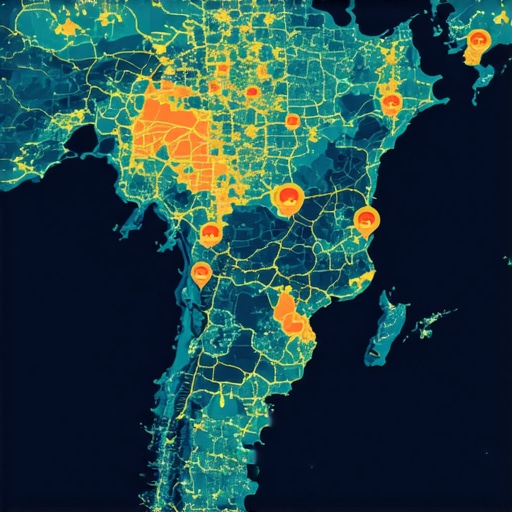
For a visual understanding of hyperlocal data integration, imagine a vibrant city map overlaid with IoT sensor points, demographic heatmaps, and social media activity clusters, illustrating how these data streams inform targeted local SEO strategies.
Is there a way to quantify the ROI of hyperlocal data-driven SEO efforts?
Yes, advanced analytics platforms like Tableau, Google Data Studio, and specialized local SEO dashboards enable tracking key performance indicators such as local pack impressions, click-through rates, conversion rates, and foot traffic correlates. By establishing baseline metrics before implementing hyperlocal data strategies and continuously monitoring changes, businesses can attribute improvements directly to targeted tactics. According to Search Engine Land, integrating these quantitative insights is essential for refining your approach and justifying investment in hyperlocal data initiatives.
How Can Businesses Stay Ahead of Emerging Local SEO Technologies?
Continuous innovation is vital. Keeping abreast of developments like augmented reality overlays, AI-powered hyperlocal chatbots, and integrated IoT solutions will be key. Participating in industry forums, attending conferences like SMX or BrightEdge’s Local SEO events, and subscribing to authoritative publications such as Moz’s blog or Search Engine Journal ensures your strategies remain cutting-edge. Additionally, experimenting with beta features from Google and Bing can provide early insights into future ranking factors.
To deepen your mastery of these sophisticated tactics, consider enrolling in specialized local SEO certification courses or consulting with industry-leading agencies that focus on hyperlocal digital marketing. The future belongs to those who innovate and adapt continuously.
Frequently Asked Questions (FAQ)
How long does it typically take to see results from local SEO efforts?
Results from local SEO can vary depending on the competitiveness of the market, the current state of your online presence, and the strategies implemented. Typically, noticeable improvements can be seen within 3 to 6 months, but consistent optimization and patience are essential for sustainable success.
What is the most critical factor for ranking in the local map pack?
The most critical factor is Google My Business (GMB) optimization, including accurate NAP information, relevant categories, customer reviews, and active engagement. Local relevance and proximity also play vital roles in determining rankings.
How important are customer reviews for local SEO?
Customer reviews are highly influential, serving as social proof and a key ranking signal. Positive, recent reviews can enhance your visibility, trustworthiness, and click-through rates, significantly impacting your position in local search results.
Can local SEO strategies be effective for small businesses with limited online presence?
Absolutely. Focused efforts like optimizing your GMB profile, building local citations, and encouraging customer reviews can yield substantial results even for small businesses. Consistency and community engagement are crucial to building local authority.
What role does mobile optimization play in local SEO?
Mobile optimization is critical, as many local searches are performed on smartphones. A mobile-friendly website with fast load times, easy navigation, and localized content ensures a better user experience and improves your chances of ranking higher in local search results.
How can I track the ROI of my local SEO investments?
Use analytics tools like Google Analytics, Google Search Console, and specialized local SEO dashboards to monitor key metrics such as local pack impressions, click-through rates, conversions, and foot traffic. Regularly analyzing these data points helps quantify the effectiveness of your strategies.
What emerging technologies should I watch for in local SEO?
Emerging trends include voice search optimization, augmented reality, AI-powered chatbots, and IoT integrations. Staying updated with these technologies allows you to adapt your strategies proactively and maintain a competitive edge.
Trusted External Sources
- Moz’s Local SEO Guide: Offers comprehensive strategies and latest trends in local SEO, highly regarded for its depth and expertise.
- Google’s Official Help Center for Google My Business: Provides authoritative guidelines for optimizing GMB listings and understanding ranking factors.
- BrightLocal’s Local Search Study: Delivers data-driven insights and benchmarks for local SEO performance and trends.
- Search Engine Journal: Features expert articles and updates on emerging local SEO technologies and tactics.
- Semrush Blog: Offers analysis, case studies, and actionable tips on local and digital marketing strategies.
Conclusion: Summing Up and Moving Forward
Mastering local SEO is an ongoing process that combines foundational tactics like GMB optimization, local content creation, and review management with advanced strategies such as leveraging hyperlocal data and emerging technologies. Staying informed through reputable sources and continuously refining your approach ensures you remain competitive in your community. Remember, effective local search optimization not only boosts visibility but also fosters genuine connections with your local audience. Share this knowledge, engage with your community, and explore new avenues to enhance your local presence—your local market is waiting for you to lead.
,